
Siding protects your home from weather, moisture, and structural damage, so knowing when to repair or replace it is important. At Big Dog Painting, our in-house carpenters and exterior painting team work together to help homeowners make the best long-term decision. Here is how to know what your home really needs.
Key Summary
Repair is best for small, localized siding damage.
Replacement is better for widespread rot or moisture issues.
In-house carpentry ensures long-lasting exterior paint performance.
Boston weather requires durable, properly installed exterior materials.
At Big Dog Painting, we handle carpentry, exterior painting, and maintenance for complete protection.
When Siding Repair Is the Better Option
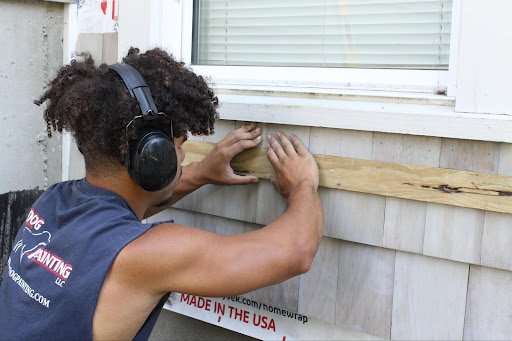
Repairing siding is often the most cost-effective choice when the issue is limited to a small area. Our carpentry team repairs damaged siding, trim, fascia, and sills by removing compromised material and correcting the root cause of the problem. When paired with exterior painting, repaired sections blend seamlessly with the rest of your home.
When Full Siding Replacement Makes More Sense
Larger structural issues often require replacing the siding entirely. Homes with widespread rot, deep moisture intrusion, or outdated materials benefit from full replacement. Once completed, our exterior painting team applies a durable finish to seal and protect your new siding.
Signs Your Siding May Need More Than a Simple Repair
Soft or crumbling boards
Peeling paint that returns quickly
Warping or bulging sections
Multiple areas of moisture damage
Mold or mildew spreading across siding
Gaps that reopen after previous repairs
The Role of Carpentry in Long-Lasting Paint Jobs
Almost every exterior project requires carpentry to fix hidden rot and damaged boards. By staffing carpenters in-house, Big Dog Painting ensures every repair is completed correctly before painting, creating a smoother finish and longer-lasting results. View examples of our work in our exterior portfolio.
Choosing the Right Materials for Your Home
New England weather exposes your home to moisture, snow, and strong sunlight. Our carpenters help you choose materials that withstand these conditions and maintain their appearance for years.
What to Do After Your Siding Is Repaired or Replaced
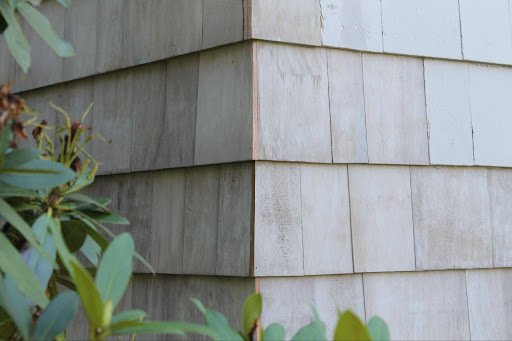
Many homeowners choose to refresh their exterior with a new paint job after carpentry work. Our teams also offer interior painting, commercial painting, and cabinet painting to help you continue upgrades throughout your home. If your exterior needs cleaning, our pressure washing service preps surfaces for a strong finish.
Repair or Replace? Let Us Help You Decide
Whether you need a quick repair or a full replacement, our carpentry team provides honest recommendations based on long-term protection and value. See our testimonials to hear from clients. If you are ready to get started, request an estimate at our contact page.
Frequently Asked Questions
How do I know if my siding needs repair or replacement?
Minor issues like a few rotted boards can often be repaired. Widespread rot, moisture damage, or structural issues usually mean replacement is the better option. A professional inspection can confirm the right choice.
Can damaged siding affect my exterior paint?
Yes. Rot, soft boards, and trapped moisture prevent paint from adhering properly. This is why our carpenters fix structural issues before exterior painting begins.
Does siding replacement add value to my home?
New siding improves energy efficiency, prevents structural damage, and boosts curb appeal, which makes it a strong investment for homeowners.
What materials are best for siding in Boston’s climate?
Materials like fiber cement, cedar, and moisture resistant composites perform well in New England. Our carpenters help you choose the right option for your home.
Can I repaint siding after repairs or replacement?
Yes. Fresh siding is an ideal surface forexterior painting. Professional prep and coatings help protect the material for many years.