
Finish carpentry is the stage of a project where the fine details get completed. These details pull a space together and give your home a polished, intentional look. Homeowners often search for help with trim work, custom details, and aesthetic improvements, and finish carpentry covers all of it. If you want your home to look cohesive after a renovation or painting project, the finishing touches matter as much as the big structural work.
Key Summary
Finish carpentry focuses on visible, detailed woodwork that completes a space.
Trim carpentry is a major part of finish carpentry and includes baseboards, casings, crown molding, and more.
Common projects include window trim, stair components, built-ins, wainscoting, and decorative molding.
Finish carpentry pairs naturally with services like interior painting and cabinet painting to create a cohesive final look.
What Is Finish Carpentry?
Finish carpentry refers to the final phase of construction where detailed woodwork is installed. It focuses on the aesthetic parts of your home rather than the structural framework. When people ask, what is finish carpentry, they are usually referring to the skilled craftsmanship that makes a space look complete. Anything visible that adds style, function, or character typically falls under finish carpentry.
This type of work happens after structural framing, drywall, and major installations are done. Once painters, electricians, and plumbers finish their initial stages, a finish carpenter steps in to add the clean edges, precise details, and polished look that bring a room together. Contact us today and get an estimate to start your home improvement project.
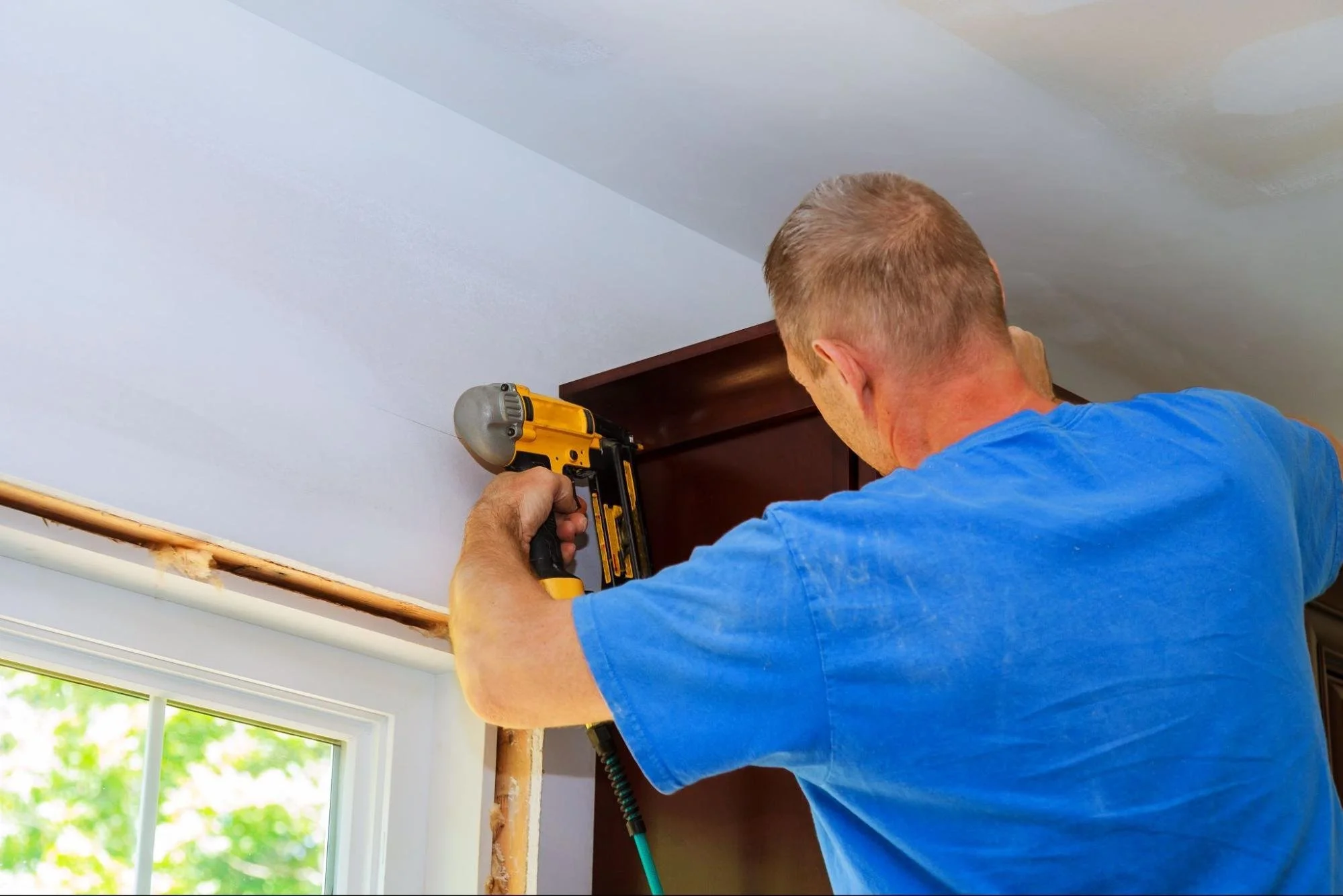
What Is Trim Carpentry and How Does it Relate to Finish Carpentry?
Trim carpentry is a major component of finish carpentry. It focuses specifically on the decorative wooden elements that outline and define a room. Trim carpentry includes baseboards, window trim, door casings, crown molding, and other accents that frame your space. It focuses on those little personal touches that elevate new builds and give older homes that extra boost they need to stay as appealing as they did upon initial construction.
Trim carpentry can be part of a larger refresh. Many homeowners pair new trim work with exterior painting or interior painting to transform a room or exterior in one step.
Common Finish Carpentry Projects in the Home
Baseboards and Door Casings
Updating baseboards or door casings is one of the most common finish carpentry projects. Whether you want a sleek, modern profile or a refined, classic look, the right trim edge can make a room feel ready for move-in. Need some inspiration? Consult our interior portfolio and see what we've done for other customers looking to brighten up their spaces.
Window Trim and Sills
Proper window trim adds both style and structure. Finish carpenters repair or replace trim that has gaps, chips, or otherwise outdated profiles. Adding new window trim before or after a fresh coat of paint helps tie the look together. Pricing on these types of projects tend to vary on a number of factors, including the number of windows in the home. Contact a team representative for a more detailed estimate.
Crown Molding and Decorative Molding
Crown molding adds height and elegance to a room. Decorative molding, including chair rails and picture frame molding, is also part of finish carpentry and can transform plain walls into architectural features.
Custom Shelving and Built-Ins
Custom built-ins are a popular request because they maximize storage while adding personality. These projects include bookcases, mudroom built-ins, closet systems, and entertainment walls. Built-in projects often accompany larger renovations that may also include cabinet painting for a clean and cohesive finish.
Stair Details and Handrails
Finish carpentry includes finishing stair treads, risers, balusters, and handrails. These components make a staircase safe, attractive, and aligned with the rest of the home’s design.
Wainscoting and Wall Paneling
Adding wainscoting or paneling is a common way to elevate a hallway, dining room, or entryway. With the right paint color and finish, these features instantly add architectural interest.
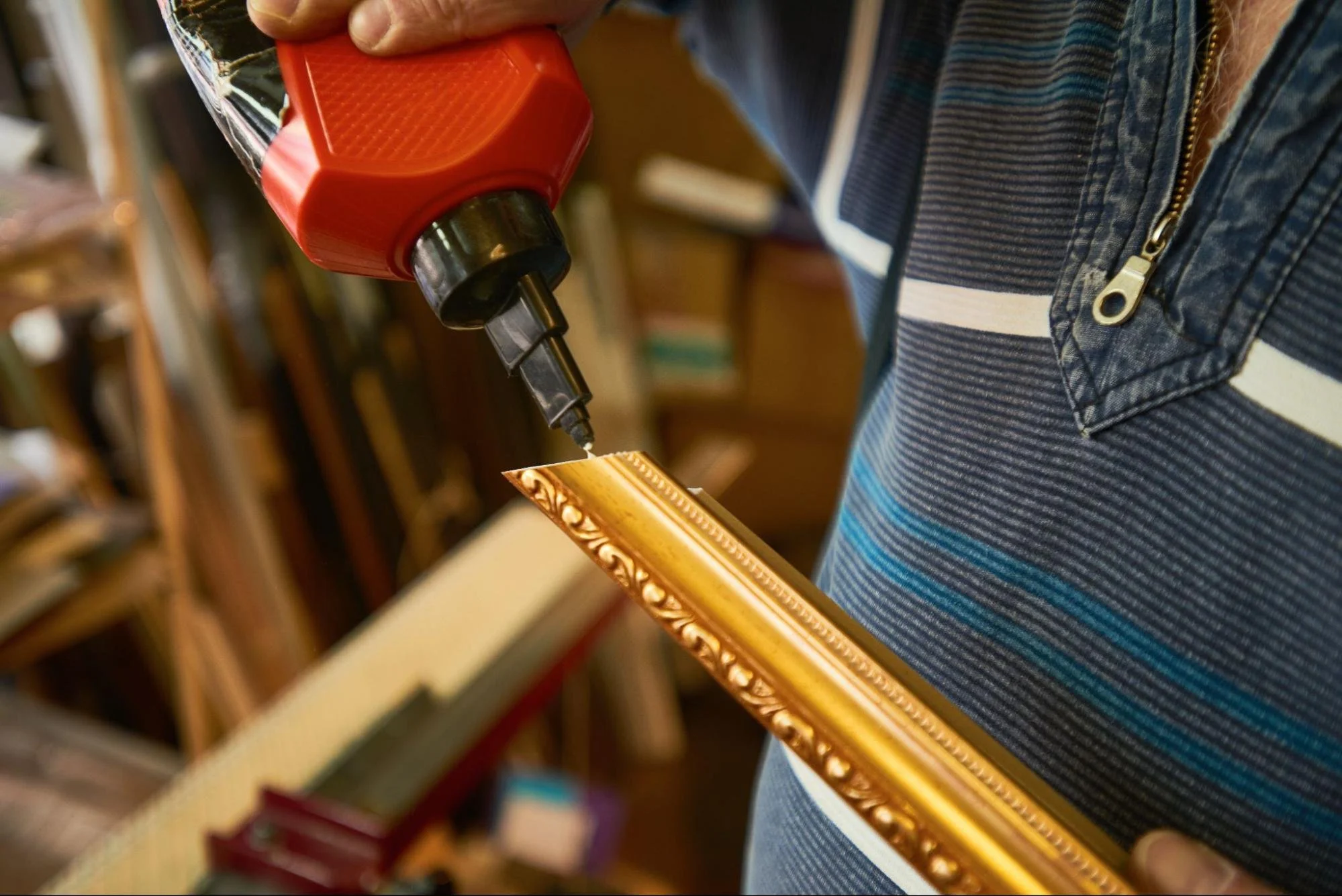
How Finish Carpentry Supports Painting and Home Improvement
High quality finish carpentry works hand in hand with painting and general home updates. For example, if a homeowner is preparing for commercial painting or residential interior work, repairing or installing new trim ensures crisp lines and a professional final look. A well prepped space is essential for smooth paint application, and finish carpentry often comes first in that process.
Other home improvement services such as pressure washing and fresh exterior updates often lead to trim repairs, fascia replacement, or upgrades to entryway details that fall under finish carpentry.
Why Homeowners Choose Professional Finish Carpentry
Finish carpentry requires accuracy, craftsmanship, and attention to detail. The lines must be clean, the angles tight, and the work seamless. Homes with uneven walls, existing damage, or older trim profiles benefit greatly from professional help. Homeowners often reference testimonials to confirm the value of skilled finish carpentry in their renovation experience.
Professionals understand how to work around obstacles, blend existing materials, and prepare the surfaces for painting or staining. Each small detail contributes to the overall look and quality of your home.
Start Your Finish Carpentry Project
If you are planning updates that involve finish or trim carpentry, reviewing the full range of carpentry services is a great place to begin. Whether you need a single room refreshed or an entire home brought up to date, careful finish carpentry ensures every detail feels complete.
To discuss a project or request a quote, you can contact the team anytime.
Frequently Asked Questions
What is Rough Carpentry vs Finish Carpentry ?
While finish carpentry adds the visible details, like trim, doors, and molding, that complete the interior look, rough carpentry builds the structure of a home or an addition like a deck. For additional information, see our post explaining What is Rough Carpentry?
What is the difference between finish carpentry and trim carpentry?
Finish carpentry is the broader category that includes all final woodwork details. Trim carpentry is one part of finish carpentry that focuses specifically on trim like baseboards, casings, and molding.
Is finish carpentry only cosmetic?
Finish carpentry primarily enhances appearance, but some elements add function too, such as built-ins, stair components, or window sills.
Can finish carpentry increase home value?
Yes. Clean, modern trim and quality finishing details help a home feel updated and well maintained, which can improve its perceived value during a sale.
How do I know if my trim should be replaced?
If your trim has gaps, cracks, rot, peeling paint, or an outdated profile, replacement is a good option. Many homeowners combine this with a painting project for best results.
Should I paint before or after finish carpentry?
Finish carpentry typically happens before the final coat of paint. The new trim or woodwork gets installed first, then painters complete the space for a clean finish.