
Everything You Need to Know About Exterior Painting in Massachusetts
The Best Time for Exterior Painting in Massachusetts
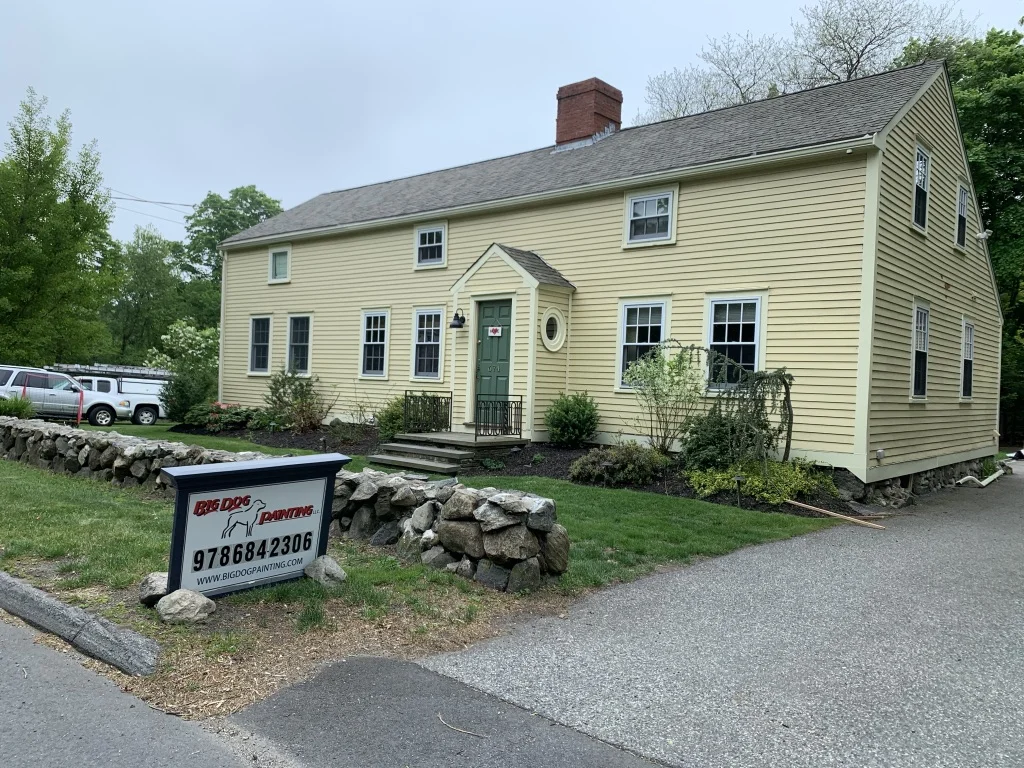
Exterior painting Massachusetts homeowners need done right isn't just about looks — it's about protecting one of your biggest investments from some of the harshest weather in the country.
New England is brutal on paint. Freeze-thaw cycles, humid summers, coastal salt air, and heavy snow loads can crack and peel an inferior paint job within just a couple of years. A professionally done exterior paint job, on the other hand, can last 8 to 12 years — or longer with the right prep and materials.
Here's what Massachusetts homeowners need to know at a glance:
- Best time to paint: Late spring through early fall (May–October), with temperatures above 50°F
- How long it lasts: 8–12 years with proper prep and premium paints
- Biggest risk factor: Poor preparation causes roughly 80% of all paint failures
- Pre-1978 homes: Require EPA Lead-Safe certified contractors
- Property value boost: Professional exterior painting can increase home value by up to 5%
Whether your siding is fading, peeling, or just overdue for a refresh, this guide covers everything you need to make a smart, confident decision about your home's exterior.
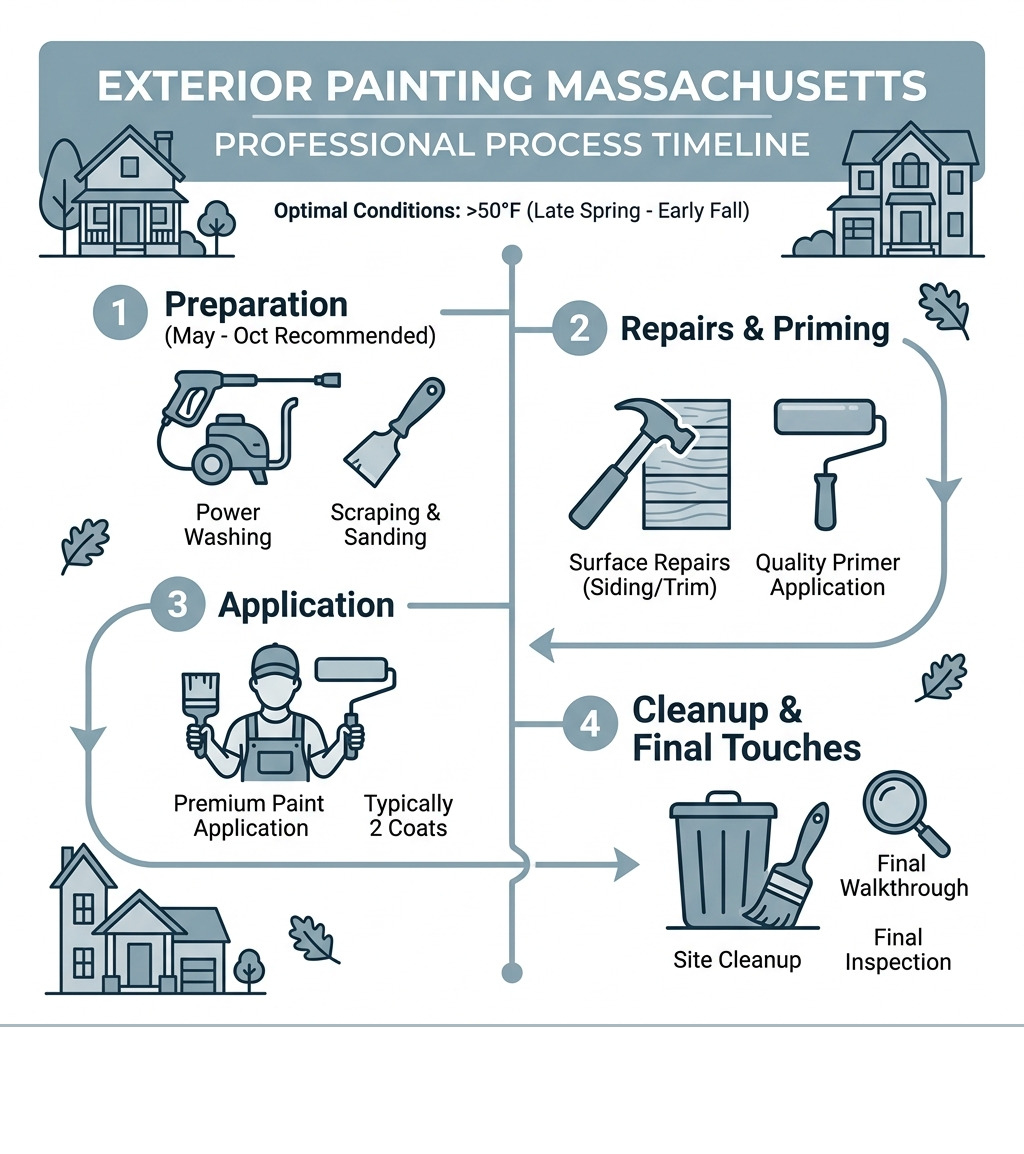
In Massachusetts, timing is everything. You can’t just grab a ladder and a brush whenever the mood strikes. The New England climate dictates a specific window for success, typically running from May through October.
The most critical factor is the temperature. For paint to bond and cure correctly, the temperature needs to stay above 50°F, even at night. While some modern "low-temp" paints claim they can be applied at 35°F, experienced professionals know that stable, moderate temperatures lead to the most durable finishes.
Humidity also plays a massive role. High humidity or damp surfaces prevent paint from drying, which can lead to bubbling and premature failure. This is why we monitor weather forecasts with eagle eyes. We won't paint if rain is expected within 24 to 48 hours because the coating needs time to set. September and early fall are often considered the "sweet spot" in Massachusetts because the air is drier and the temperatures are consistent.
Before the brushes even touch the siding, the house needs to be clean. Knowing the Best Time to Power Wash Your House is the first step in this seasonal dance, ensuring the substrate is dry and ready for the next phase.
Why Preparation is 80% of a Durable Paint Job
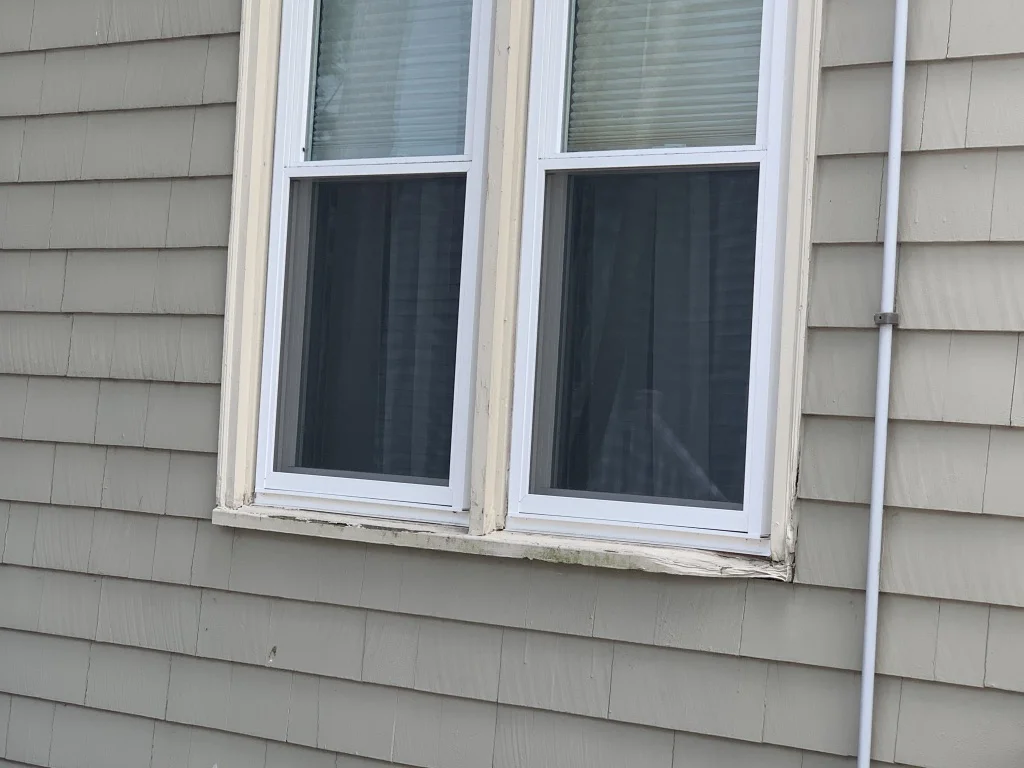
If a contractor tells you they can start painting your house the same afternoon they arrive, run. In Exterior Painting Massachusetts, the actual "painting" is the easy part. The "prep" is where the battle is won or lost. In fact, research shows that 80% of paint failures are caused by poor preparation.
A professional process begins with a deep Pressure Washing to remove dirt, mildew, and chalking paint. Once dry, the team moves into the labor-intensive phase of scraping and sanding. We don't just paint over problems; we fix them. This includes identifying and performing Wood Rot Repair on window sills and door frames, as well as Rake Soffit Fascia Repair to ensure the "bones" of your exterior are solid.
Following a Step-by-Step Guide to an Exterior Painting Project ensures nothing is missed. This includes:
- Caulking: Sealing gaps around windows and trim to prevent moisture intrusion.
- Priming: Applying high-quality primers to bare wood or troubled spots to ensure the finish coat sticks.
- Property Protection: A reputable crew spends hours covering your landscaping, protecting your driveway, and masking off windows. Your rose bushes and pavers should never wear the same color as your siding.
How Much Does Professional Exterior Painting Massachusetts Cost?
When it comes to Exterior Painting Massachusetts, the cost is an investment in your home’s structural integrity. While every home is unique, several factors influence the final quote.
The main drivers of cost include:
- House Size and Height: A three-story Victorian in Newton requires more labor and equipment than a ranch in Wilmington.
- Siding Material: Painting wood clapboard involves different labor than refreshing vinyl or aluminum siding.
- Condition of the Surface: If your paint is severely peeling or you have extensive rot, the prep labor will increase. Understanding Siding Repair vs Replacement can help you decide if you're ready for paint or if you need new boards first.
- Labor vs. Materials: In a professional job, labor usually accounts for the lion's share of the cost because of the meticulous prep work required.
To get an accurate number for your specific property, it is best to Exterior House Painters Schedule Estimate. For a deeper dive into the numbers, check out our guide on How Much is Exterior House Painting.
Choosing the Right Exterior Painting Massachusetts Contractor
Don't hire a "guy with a truck." Hire a professional team. In Massachusetts, you should look for a contractor with a valid HIC (Home Improvement Contractor) registration and comprehensive insurance, including General Liability and Workers' Compensation.
Big Dog Painting brings over 22 years of business experience and a track record of over 7,000 homes painted. When evaluating a company, ask about their warranty terms. A confident painter will stand behind their work because they know their prep process is bulletproof. Check the Areas We Serve to see if our crews are currently working in your neighborhood, from the House Painters Boston Area North Shore to the western suburbs.
The Impact of Exterior Painting Massachusetts on Property Value
Beyond protection, a fresh coat of paint is the most cost-effective way to boost your home's value. Real estate experts suggest that professional exterior painting can increase property value by up to 5%.
In a competitive market like Massachusetts, first impressions are everything. You can learn more in Exterior Painting 101: Transforming Your Home's Curb Appeal. Whether you are looking to sell or just want to be the pride of the neighborhood, a cohesive color scheme and a professional finish make a statement. Browse our Exterior Portfolio to see how a transformation can change the entire "vibe" of a property.
Maximizing Longevity in New England’s Climate
In Massachusetts, the paint on your house is essentially a suit of armor. It has to survive the "Big Three" of New England weather: freeze-thaw cycles, blazing summer UV rays, and relentless moisture.
To achieve 8–12 year durability, we rely on premium products specifically engineered for this climate. Brands like Benjamin Moore Aura and Sherwin-Williams Duration are favorites because they offer superior "high-build" properties, meaning they create a thicker, more flexible film that expands and contracts with your home as the temperature swings from 0°F to 95°F.
How often you need to paint depends on your home’s exposure. A house with no tree cover facing the ocean will need attention sooner than a shaded suburban home. For a detailed breakdown, see How Often Should You Paint the Exterior of Your Home. To push that longevity even further, consider an Exterior Maintenance Program, which includes annual inspections and touch-ups to catch small issues before they become expensive repairs.
Essential Considerations for Older Massachusetts Homes
If your home was built before 1978, there is a high probability it contains lead-based paint. In Massachusetts, this isn't just a safety concern; it’s a legal one.
Professional painters must be EPA Lead-Safe Certified. This means following strict RRP (Renovation, Repair, and Painting) protocols, which include using HEPA-filtered sanders, plastic sheeting to contain dust, and specific disposal methods for paint chips. This protects your family, your neighbors, and the environment from toxic lead dust.
Often, older homes require more than just paint. We frequently combine painting with Siding Repair and Replacement to maintain the historic integrity of the structure. If you live in a designated historic district (like parts of Concord or Lexington), you may also need to comply with specific color palettes or material requirements. You can find more tips on handling older exteriors in our Exterior Painting Blog Category.
Frequently Asked Questions about Exterior Painting
What are the signs my home needs repainting?
Don't wait until the wood is rotting to take action. Look for these "early warning" signs:
- Peeling or Flaking: This means the paint has lost its bond with the surface.
- Cracked Caulk: If the beads of caulk around your windows are shrinking or cracking, moisture is getting in.
- Fading Color: UV rays break down paint pigments over time; if your vibrant blue is now a dull grey, the protective layer is thinning.
- Chalking: If you run your hand across the siding and it comes away with a chalky residue, the paint is disintegrating. Check out our Exterior Painting Tag for more visual examples of what to look for.
How do you choose the right exterior colors?
Choosing a color can be paralyzing. We recommend looking at your home’s architectural style and the surrounding neighborhood. A bright purple might look great in a Caribbean village, but it might ruffle feathers in a New England Colonial neighborhood. We often use digital previews to help homeowners visualize the final look before the first drop of paint is applied. Remember to consider how the light hits your house at different times of the day!
Why hire a professional instead of DIY?
We get it—the "weekend warrior" spirit is strong in Massachusetts. But exterior painting is a massive undertaking. Beyond the sheer height and safety risks of ladder work, the equipment costs alone (sprayers, power washers, high-end scrapers) add up fast. Most importantly, that 80% prep failure rate usually happens because DIYers lack the patience or the specialized tools to properly sand and prime. As we discuss in Power Washing: Why It's Good for Your Boston Home and Business, starting with a professional-grade clean is the only way to ensure your hard work actually lasts.
Conclusion
At Big Dog Painting, we don't just "slap on a coat of paint." we provide a comprehensive protection system for your home. By adhering to the highest professional standards and using materials designed for the Massachusetts climate, we deliver results that look beautiful on day one and remain stunning for a decade.
If your home is ready for a refresh, don't settle for a temporary fix. Invest in a long-lasting Exterior Painting solution that stands up to the New England elements. Contact us today to schedule your consultation and see why thousands of Massachusetts homeowners trust the Big Dog team.